


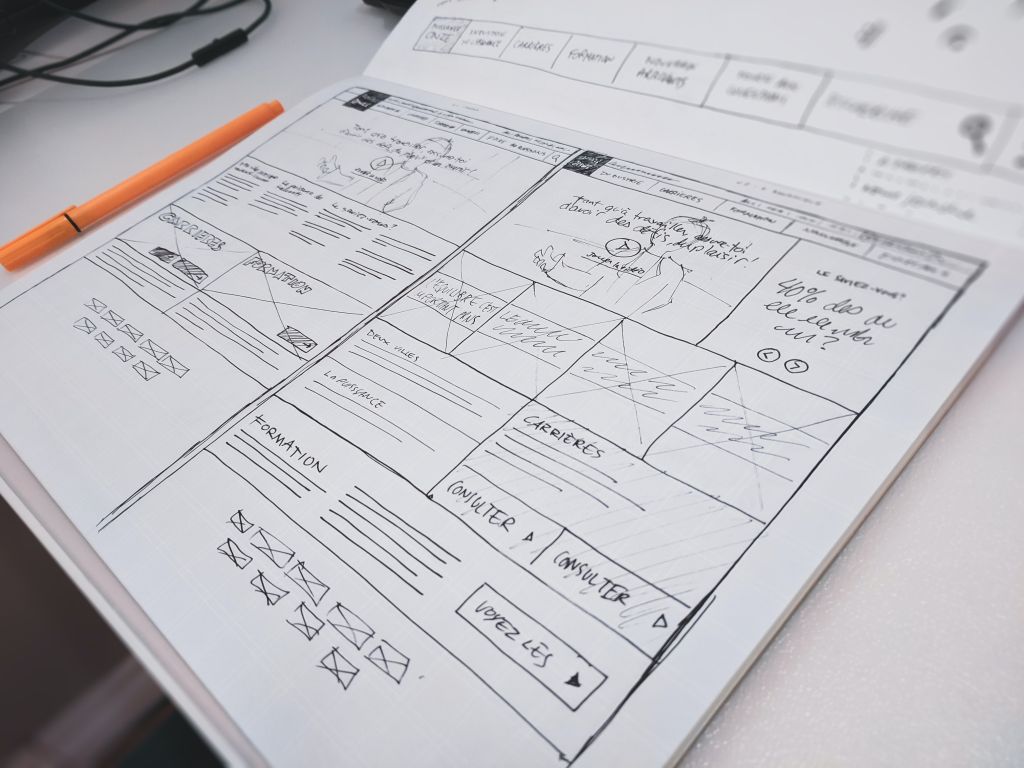
Static and Dynamic Advertising Panels on Institutional Websites
Institutional websites can use static and dynamic panels to highlight important information, promote public services, and direct visitors to related organisations or joint initiatives. For EU public sector institutions, these panels are not simply visual elements: they are practical tools for improving visibility, guiding users to relevant content, and supporting communication across departments, agencies, and partner bodies.
When planned properly, panels can help institutions draw attention to priority programmes, consultation processes, funding opportunities, awareness campaigns, and events organised with national or international partners. They can also be used to signpost users to affiliated institutions, cross-border projects, or official external resources. However, because these elements are highly visible, they should always be managed with care to ensure they remain useful, accessible, and compliant with public sector obligations.
Static panels
Static panels display fixed content in a consistent location on the website. They are particularly suitable for information that remains relevant over a longer period, such as links to strategic programmes, institutional services, annual campaigns, or permanent partner organisations. Their predictability can be helpful for users, especially on high-traffic public sector websites where visitors expect clear and stable navigation paths.
For decision-makers, static panels offer a low-maintenance option that supports continuity and governance. Because the content changes less frequently, it is easier to review for accuracy, accessibility, and legal compliance. This makes static panels a good choice for institutions that want to maintain strong editorial control and reduce the risk of outdated or inconsistent messaging.
Dynamic panels
Dynamic panels rotate or update content automatically, allowing institutions to feature multiple messages in the same area. They can be useful for promoting time-sensitive information such as public consultations, calls for proposals, emergency notices, events, or seasonal campaigns. This approach can help institutions make better use of limited homepage space while keeping communication current.
That said, dynamic panels should be used carefully. If they move too quickly, contain too much information, or rely on animation alone, they can create usability and accessibility barriers. Public sector institutions should ensure that any rotating content can be paused where necessary, remains readable on all devices, and does not prevent users from finding essential services quickly.
When to use panels on an institutional website
Panels are most effective when they support clear communication goals rather than acting as generic promotional space. On an institutional website, they may be used to:
- Promote public services or digital tools that citizens, businesses, or partner organisations need to access regularly.
- Highlight strategic initiatives such as EU-funded programmes, policy priorities, or inter-institutional cooperation projects.
- Direct users to official partner websites where responsibilities are shared across agencies, ministries, or EU bodies.
- Support campaigns and events including awareness initiatives, consultations, conferences, and collaborative activities.
In each case, the content should have a clear public purpose. Panels should not distract from core tasks such as accessing services, finding legal information, or contacting the institution.
Accessibility and usability considerations
Accessibility should be a central requirement when implementing static or dynamic panels. Text must be readable, colour contrast must meet recognised standards, and links should be clearly labelled so that users understand where they will go. Images used in panels should include appropriate alternative text where relevant, particularly when they convey information rather than serving a purely decorative role.
Dynamic content requires additional attention. Automatically changing banners can be difficult for users with cognitive impairments, screen reader users, or people navigating by keyboard. Public sector websites should therefore ensure that panel controls are accessible, movement is limited, and important messages are available elsewhere on the page so that no essential information depends solely on a rotating feature.
GDPR, governance, and compliance
Although advertising panels on institutional websites are often used for public information rather than commercial advertising, they still need to be governed properly. If a panel links to external websites, institutions should review whether those destinations are official, trustworthy, and appropriate for the audience. Where tracking technologies or third-party content are involved, GDPR obligations and cookie consent requirements may also apply.
Editorial governance is equally important. Institutions should define who can publish panel content, how long it remains visible, and how it is reviewed. A simple approval process helps ensure that homepage promotions remain accurate, relevant, and aligned with institutional responsibilities. This is especially important in the EU public sector, where transparency, accountability, and consistency are expected across all digital communications.
Good practice for public sector decision-makers
For most institutions, the best approach is to use panels selectively. A small number of well-managed panels will usually perform better than a crowded homepage filled with competing messages. Decision-makers should prioritise content that supports public value, review panel performance regularly, and remove items that are outdated or no longer aligned with organisational priorities.
Used thoughtfully, static and dynamic panels can strengthen an institutional website by improving visibility for important initiatives and helping users reach relevant information more quickly. The key is to balance communication needs with accessibility, compliance, and the everyday expectations of citizens and stakeholders who rely on public sector digital services.