

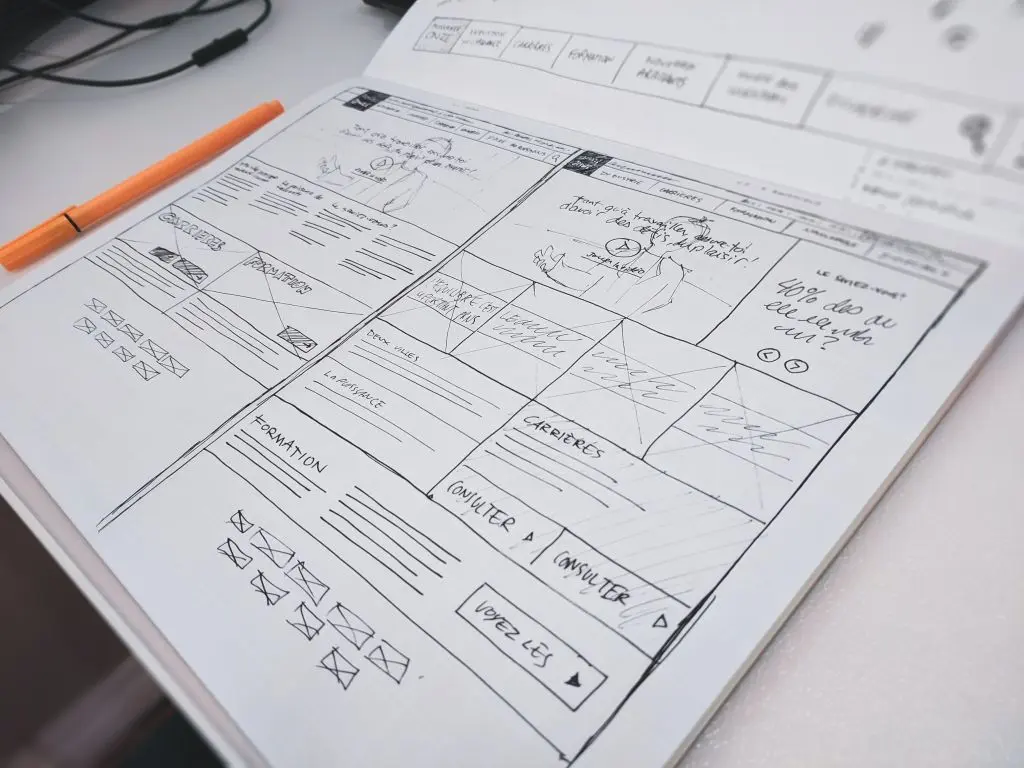
The organisation’s website – not just a place to publish information
An organisation’s website is an important digital space where residents, partners and staff can find clear, reliable and regularly updated information about the organisation’s functions, structure and activities. This can be a municipality, school, museum, library, arts centre or other public-sector organisation’s website, helping to ensure transparent and convenient communication with the public.
A modern website is no longer just a formal channel for presenting information. It becomes a practical tool that allows residents to quickly find contact details, legislation, service descriptions, news, document forms, registration options or other relevant information. A properly designed website helps the organisation work more efficiently, and helps visitors access the services they need more easily.
What purpose does an organisation’s website serve?
The main purpose of an organisation’s website is to present information publicly and clearly about what the organisation does, how it is organised and what services it provides. The website should clearly present the organisation’s functions, departments, responsible staff, areas of activity, projects under way and the most important documents. This is especially relevant for public-sector organisations, which need to ensure openness and accountability to the public.
In addition to its information function, a website also contributes to involving residents in public life. It can be used to publish public consultations, surveys, invitations to take part in discussions, community events or project activities. In this way, the website becomes not only a source of information, but also a means of strengthening dialogue between the organisation and the public.
Transparency and trust in the public sector
For public-sector organisations, a website is one of the most important tools for ensuring transparency. It publishes information about managers, structure, budget use, public procurement, activity reports, planning documents and other data of public interest. When information is presented clearly and is easy to find, residents’ trust in the organisation’s work increases.
For municipalities, this is especially important, because residents often look for information about decisions, council activities, social services, education or infrastructure matters. For schools, it is important to publish educational information, admission procedures, timetables and community news clearly. For museums and libraries, a website helps present educational activities, exhibitions, events, opening hours and practical information important to visitors.
Electronic services and convenient customer service
An organisation’s website can be used not only to publish information, but also to provide public or administrative services by electronic means. This means that residents can submit requests, register for appointments, download forms, book services or receive replies remotely. Such a solution saves time for both visitors and the organisation itself.
For example, a library can allow users to extend loan periods for publications online or register for events. A school can provide electronic request forms, up-to-date timetables and information for parents in one place. A municipality can ensure convenient access to e-services, resident appointment registration or document submission channels.
Accessibility for all users
A public-sector website must be accessible to as wide a range of users as possible, including people with disabilities. It is therefore important to ensure that the website meets accessibility requirements: it should have a clear structure, sufficient colour contrast, keyboard access, understandable link names, and properly labelled images and forms. An accessible website is not an extra feature, but an essential part of a quality public service.
Accessibility is also important in a broader sense – information must be presented in simple, clear language so that visitors of different ages and digital skill levels can understand it. This is especially relevant for websites of municipalities, social services, education and cultural organisations, which are used by very diverse audiences.
Data protection and GDPR requirements
If personal data are collected on the website, for example through contact forms, registrations or newsletter subscriptions, compliance with GDPR requirements must be ensured. Visitors must be clearly informed about what data are collected, for what purpose they are used, how long they are stored and what rights data subjects have. This not only helps comply with legal requirements, but also builds trust.
Technical security is also important: secure data transmission, proper access management, regular updates and protection against possible security breaches. For public-sector organisations, this is especially relevant, because their websites often publish sensitive or publicly important information.
What is worth planning when creating or updating a website?
- Clear information structure. Visitors must be able to quickly find the main sections: contacts, services, news, documents and frequently asked questions. A well thought-out structure reduces confusion and helps serve residents more efficiently.
- Regular content updates. Outdated information reduces trust and can mislead visitors. It is therefore important to define responsibilities for who reviews and updates website content, and how often.
- Compliance with legal requirements. A public-sector website must comply with information publication, accessibility, personal data protection and other applicable requirements. This is important not only for formal compliance, but also for quality service to residents.
- Mobile optimisation. A large share of visitors access information by phone or tablet. The website therefore needs to work smoothly on all devices and remain easy to use regardless of screen size.
A website as the basis for trust and service quality
An organisation’s website is more than a technical solution or a compulsory place for publishing information. It is an important tool for communication, transparency, accessibility and service delivery in the public sector. A properly planned and maintained website helps residents communicate with the organisation more easily, find the information they need faster and use services more conveniently.
For this reason, every public-sector organisation should view its website strategically – as a continuously operating digital platform that reflects the organisation’s quality, responsibility and approach to people. When a website is clear, accessible, secure and compliant, it becomes real support for both staff and the public.