
Municipal bodies:
Website development for tourist information centres
A website where visitors quickly find routes, events, places to visit and practical information before their trip and once they are there.
Website development for public-sector organisations, where clear information and easy access to services matter
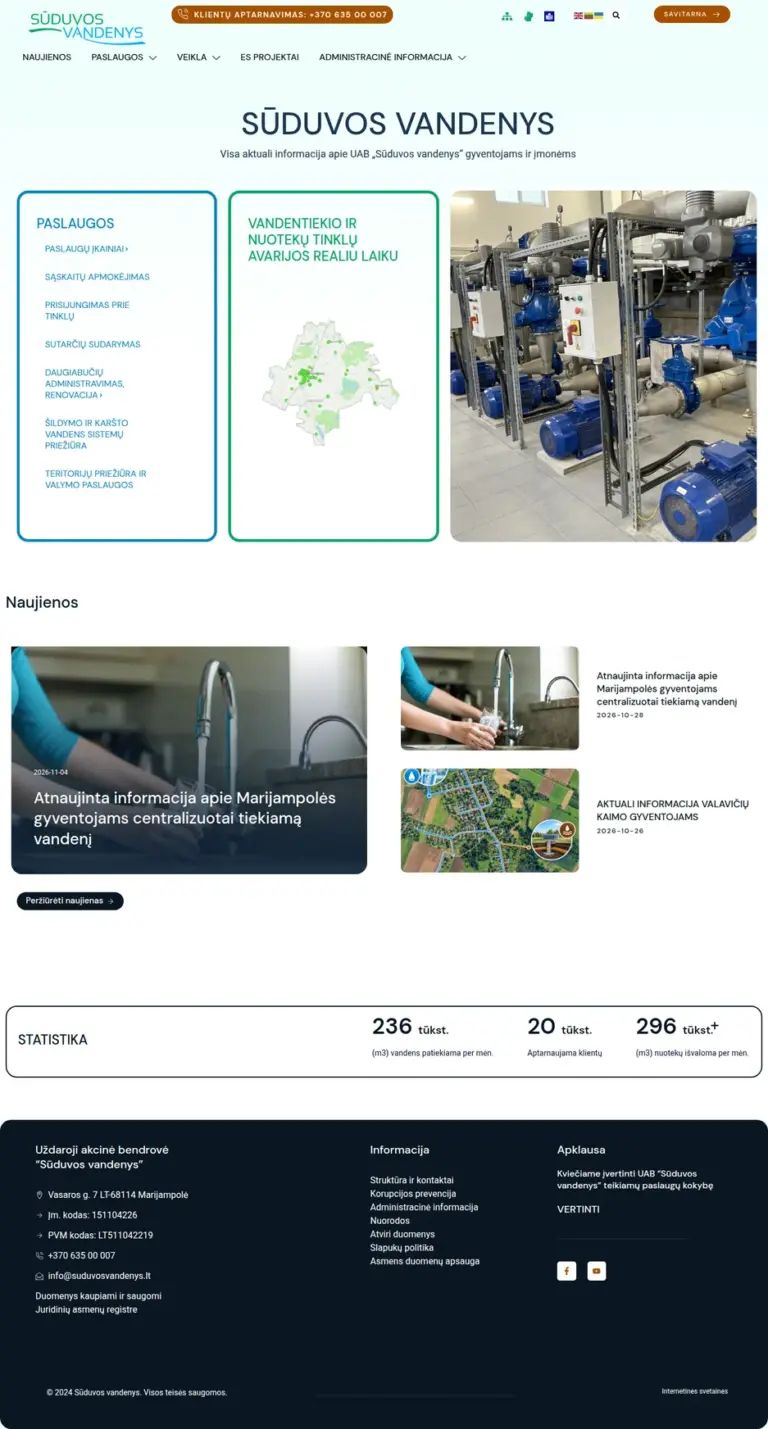
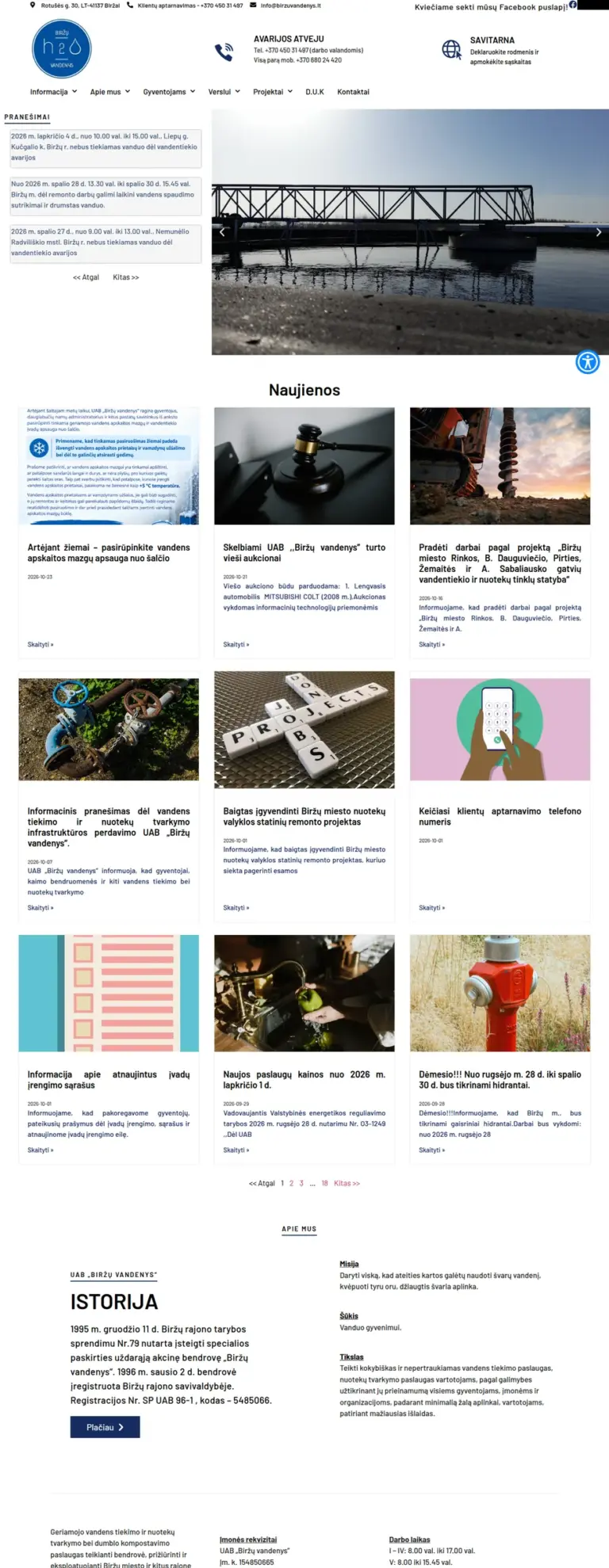
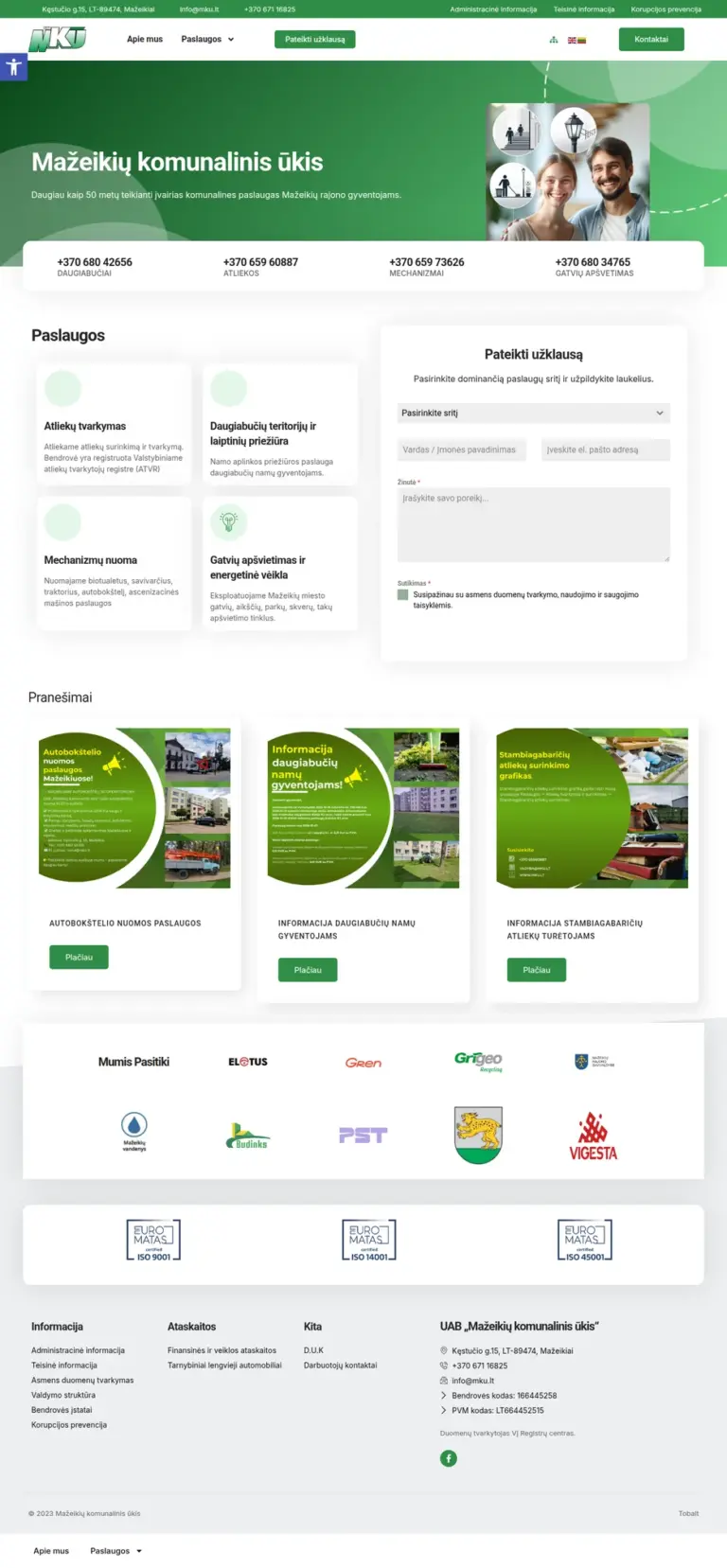
A tourist information centre’s website has to do more than present the region — it has to help people here and now: what to visit, what to do today, where to find opening hours, ticket information or contacts. We build websites for organisations that are convenient for tourists from different countries, meet the WCAG 2.1 AA accessibility requirements, allow data to be handled securely under GDPR and give the team simple content management without depending on outside suppliers. The solutions are adapted to public-sector processes and public procurement requirements.
- 8yearsof experience – since 2018
- 30+tools deployed for organisations
- 24monthswarranty on completed work
Most common problems
Visitors do not know where to start planning their trip
When routes, places to visit, opening hours and practical information are spread across several pages, tourists have to search for a long time. Their day plan is then pieced together from fragments rather than clear information.
Information for foreign visitors is presented inconsistently
In some places the content is translated, elsewhere it remains only in Lithuanian, and names and terms do not match from page to page. This kind of chaos raises doubts and makes trip planning harder for incoming visitors.
Seasonal content quickly goes out of date
Tourist information centres constantly update their recommendations according to the season, the weather, holidays and local events. If these changes are slow or awkward to make on the website, visitors see offers that are no longer relevant, and staff waste time correcting information by hand.
Events and places to visit are awkward to use on mobile devices
Some tourists check information while already on the road. If the events calendar, map or attraction pages are awkward to use on a phone, it is hard to quickly find the time, place, price, route or contacts just when the information is needed most.
What we do
A user-friendly multilingual tourism website with clear content management
People immediately see what is nearby and can more quickly plan what to visit based on their time and interests.
An interactive map of places to visit
You will be able to present attractions, routes, museums, viewpoints and recommendations for places to eat or stay in one place, with clear filters, photos, opening hours and links to detailed information.
Visitors quickly find the place or route they need, with fewer distractions and unnecessary clicks on the website.
Easy search for routes and attractions
Your team will be able to organise content by topic, area, season, trip length and suitability for families, active leisure or cultural tourism, so that visitors quickly find the offers relevant to them.
Foreign visitors find clear and reliable information more easily before they arrive.
Consistent multilingual content
You will be able to manage content in several languages so that the key information about attractions, events, contacts, opening hours and practical tips is presented consistently to different audiences.
The website always shows up-to-date information, and the team updates content faster.
Managing seasonal recommendations and current highlights
You will be able to quickly update the main offers to match the time of year, holiday periods, weekend events or local campaigns, highlighting what matters most to tourists right now.
Events become easier to find, both when planning a trip and when looking for things to do on site.
A clear events calendar
You will be able to publish events with dates, venues, descriptions, audiences, prices, registration links and related attractions, so that visitors can easily find what is happening during their stay.
The tourist centre increases visitor numbers through an attractive presentation of routes, an interactive map and multilingual information.
“Tobalt” is a reliable company that meets its commitments on time and honestly. We have worked together for 5 years and have renewed our website again with their help.
Get in touch about updating your tourist centre’s website
Frequently asked questions
Will we be able to manage attractions, routes and events ourselves, without a developer’s help?
Yes. The website is built so that your team can add and update places to visit, routes, news, seasonal offers and events on its own. The admin area is clearly structured, so that the content is easy to maintain even for staff who do not work with IT systems every day.
How is the website’s compliance with WCAG 2.1 AA and public-sector requirements ensured?
Accessibility requirements are built into the website design: a clear structure, appropriate contrast, keyboard navigation, understandable forms and content, a logical heading hierarchy and compatibility with assistive technologies. The content, privacy and information requirements that apply to public-sector websites are also taken into account.
Can enquiries and other personal data be handled securely on the website under GDPR?
Yes. Contact, registration and enquiry forms are designed so that only essential data is collected, privacy information is clearly provided and data processing complies with GDPR principles. Where needed, we also help plan internal processes related to data storage and access.
Is the solution suitable for public procurement, and can the scope be clearly defined?
Yes. We help formulate a clear project scope: content types, functional requirements, and accessibility, security, multilingual, integration and warranty maintenance needs. This helps you prepare for procurement more precisely and reduces the risk of undiscussed work coming to light after the contract is signed.