
For educational institutions:
A website for a higher education institution that clearly serves applicants, students and the community
We build websites tailored to universities and colleges where it is easy to find study programmes, the admission procedure, faculty information, e-services and international opportunities. Your team can update content quickly, and the website meets accessibility, GDPR and public-sector requirements.
Solutions tailored to the requirements of public-sector and education organisations
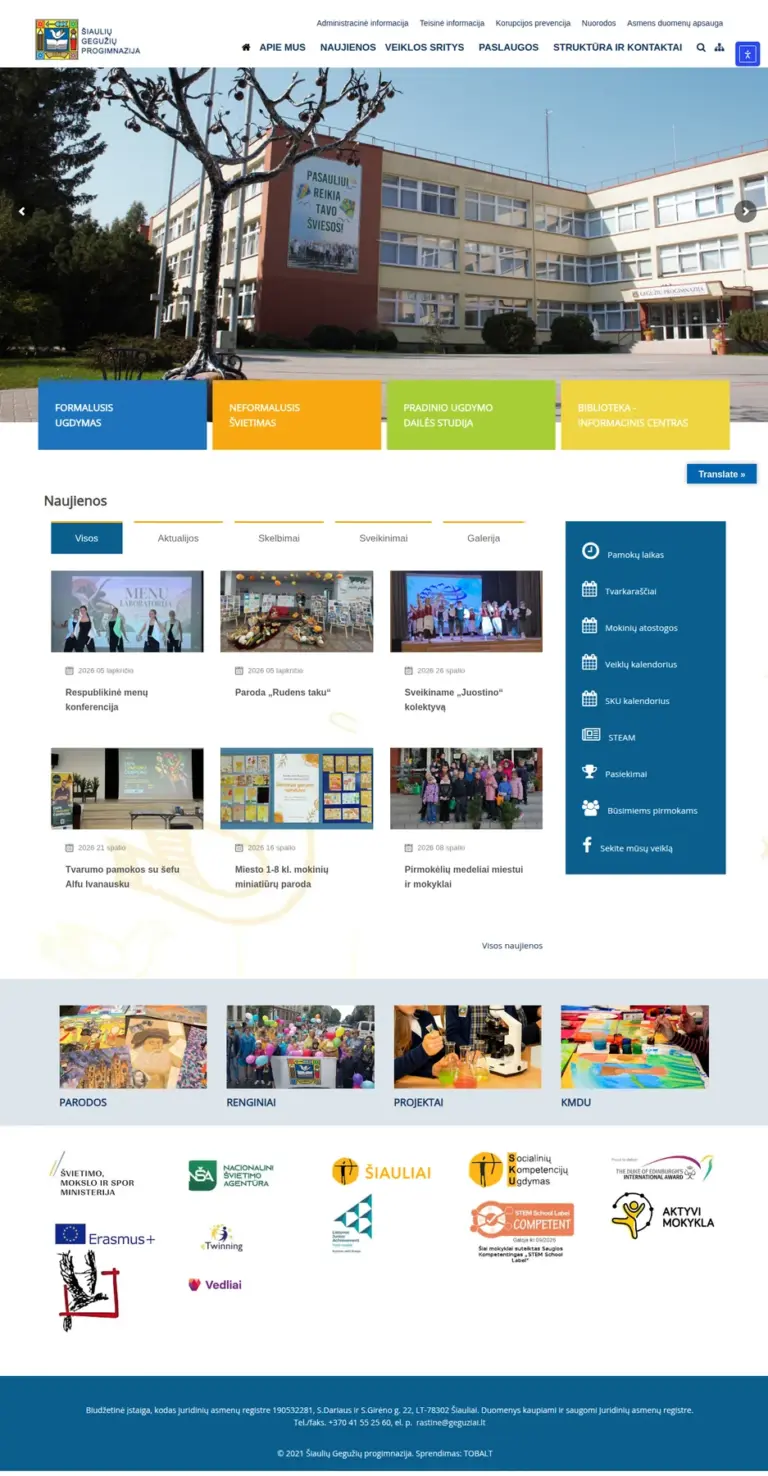
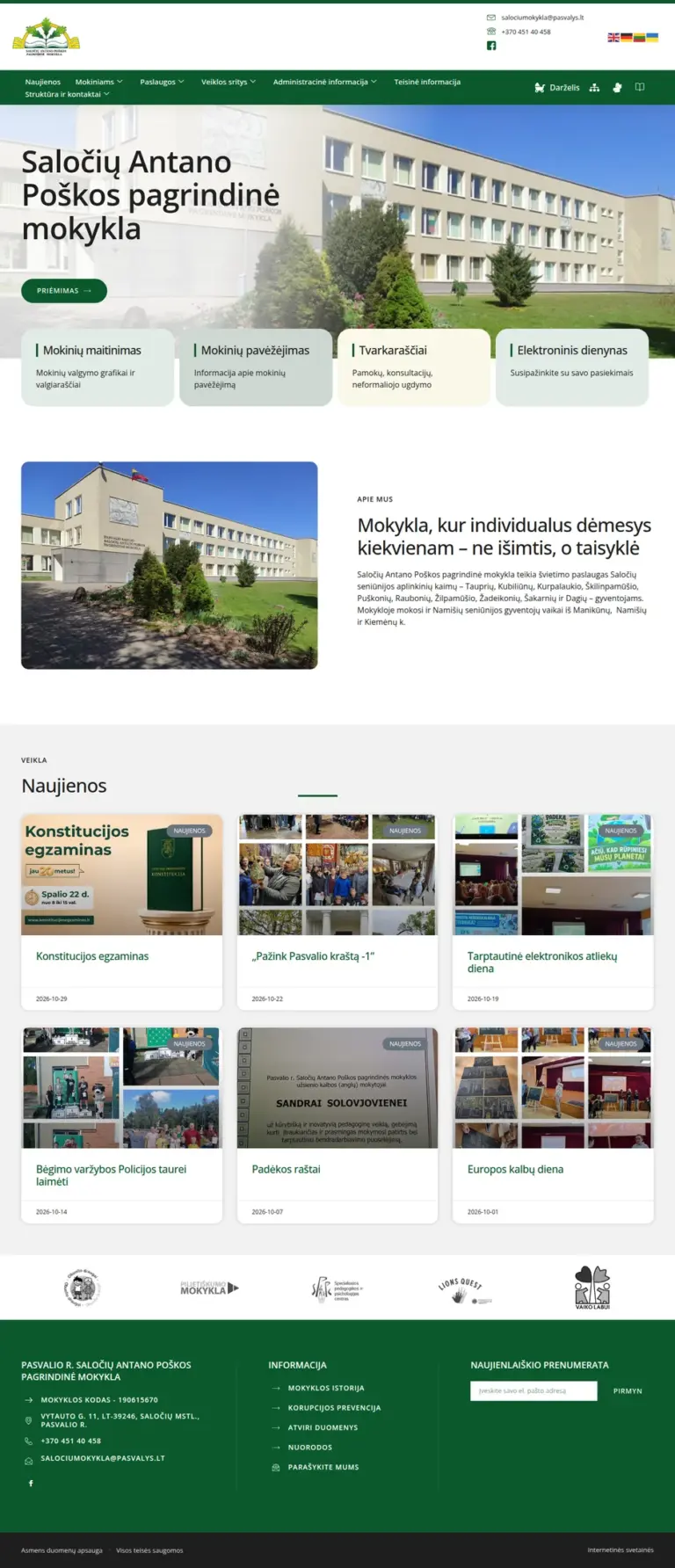
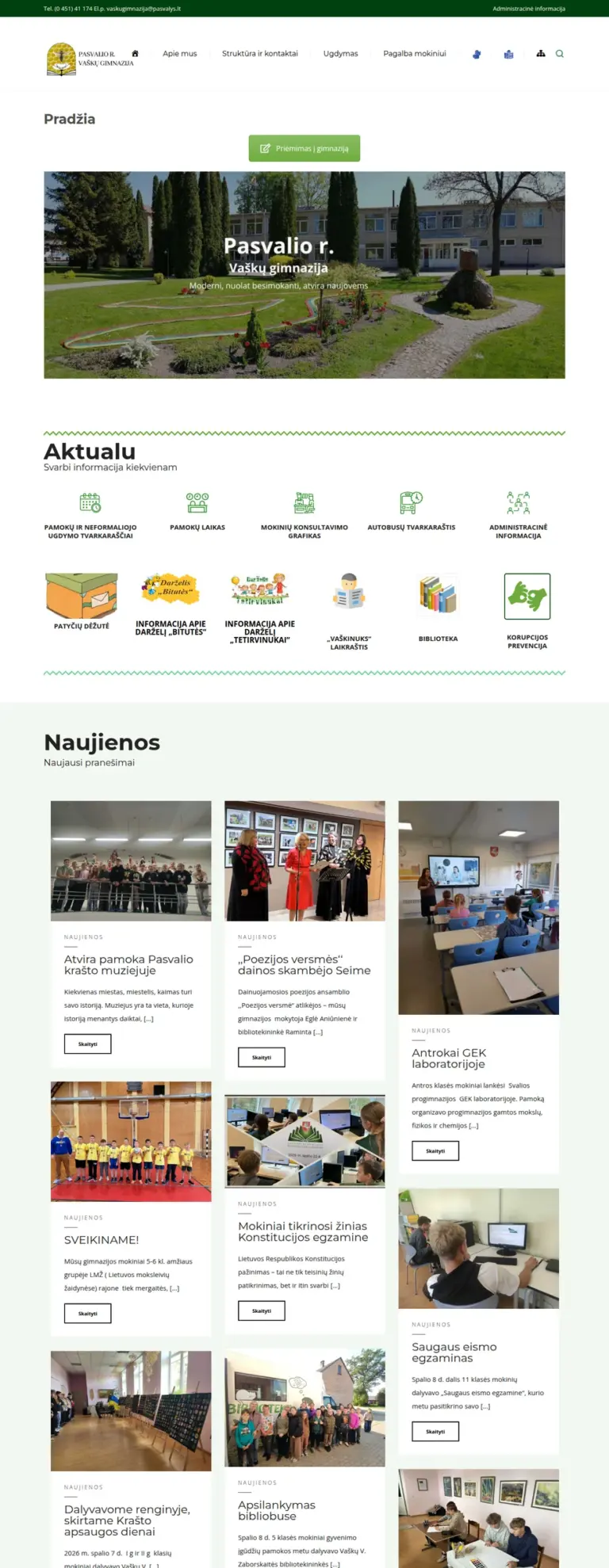
Higher education institutions manage large and constantly changing amounts of information: study programmes, admissions, faculties, research, international exchanges, documents, news and e-services. When this information is fragmented, out of date or hard to find, the applicant experience suffers, the administrative workload grows and everyday communication becomes more complicated. That is why we build websites that help structure content clearly, make it accessible to different audiences and give your team convenient management without depending on outside suppliers for every change.
- 8yearsof experience – since 2018
- 30+tools deployed for organisations
- 24monthswarranty on completed work
Most common problems
Study programme information is spread across different pages
Applicants and current students often have to compare programmes, modes of study, fees, admission requirements and contacts on several different pages. Because the structure is inconsistent, it is hard to quickly understand the differences between programmes and find the most important information in one place.
Admissions information quickly goes out of date and causes extra enquiries
When deadlines, requirements, document lists or explanations of the admission score are updated late, applicants get in touch by phone or e-mail, and the administration has to repeat the same information. This is especially sensitive during the admissions period, when even small inaccuracies cause a lot of confusion.
Information on faculties, departments and lecturers becomes uneven and out of date
Different units present content inconsistently, so in some places the information is detailed and in others it is out of date or hard to find. Without a clear structure for staff profiles, contacts, office hours or research areas, it is difficult for students and partners to find the right person quickly.
The user’s path to international opportunities and e-services is unclear
For students and international applicants, it is often not enough just to have information about exchanges, admissions or submitting documents — it must be clear where to start, what steps lie ahead and whom to contact. When these paths are not defined, users get lost and the administration receives many repeated questions.
What we do
A clear, manageable and compliant website for a higher education institution
Applicants compare programmes faster and decide more easily, and your team manages information consistently.
A study programme catalogue with filters
You will be able to present all study programmes in a single structure and let visitors filter them by study cycle, mode of study, field, language, city or other criteria that matter to you. Each programme can have clearly set-out information on content, duration, admission requirements, career opportunities and related contacts.
Fewer repeated enquiries for the administration and a clearer path for applicants from first interest to submitting an application.
Admissions information centre
You will be able to publish admission stages, deadlines, document requirements, frequently asked questions, application steps and links to external systems in one place. Content is updated quickly, so during the admissions period the website becomes a reliable main source of information.
Students, partners and the media find the right unit or contact person faster.
Unit and staff directory
You will be able to manage the pages of faculties, institutes, departments and administration in an orderly way and present staff profiles with contacts, positions, office-hours information, subjects taught or research interests. This helps keep information presented consistently across the whole institution.
International opportunities become easier to understand, and students know what steps to take next.
An information area for international studies and exchanges
You will be able to clearly present information about exchange programmes, incoming and outgoing students, the application process, deadlines, documents, partners and contacts. Separate information paths in English can also be created for international students.
The website becomes a convenient entry point to the institution’s most important digital services.
A hub of links to e-services and systems
You will be able to provide the most important links in one place: student self-service, study information systems, the library, timetables, document forms, registrations and other tools used every day. The website will help users reach the service they need quickly without wandering through different subsections.
The higher education institution manages study programmes and research projects more effectively and attracts more applicants through a professional digital platform.
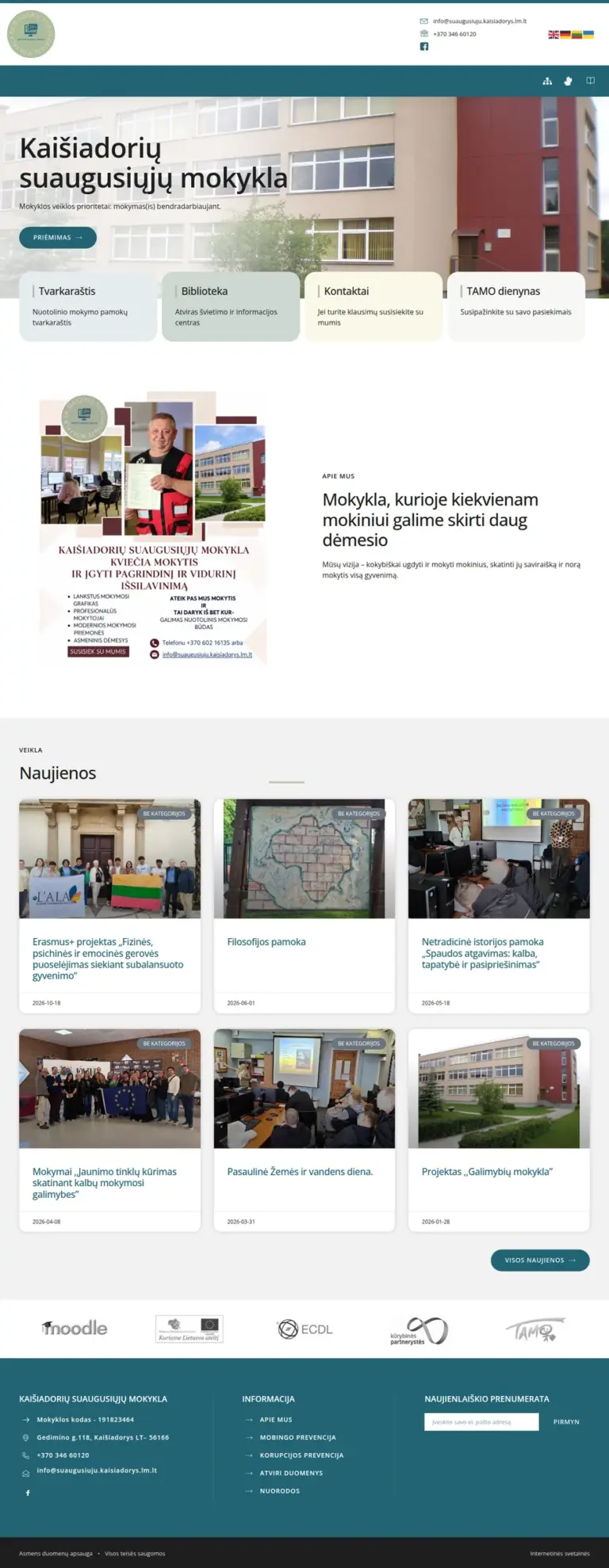
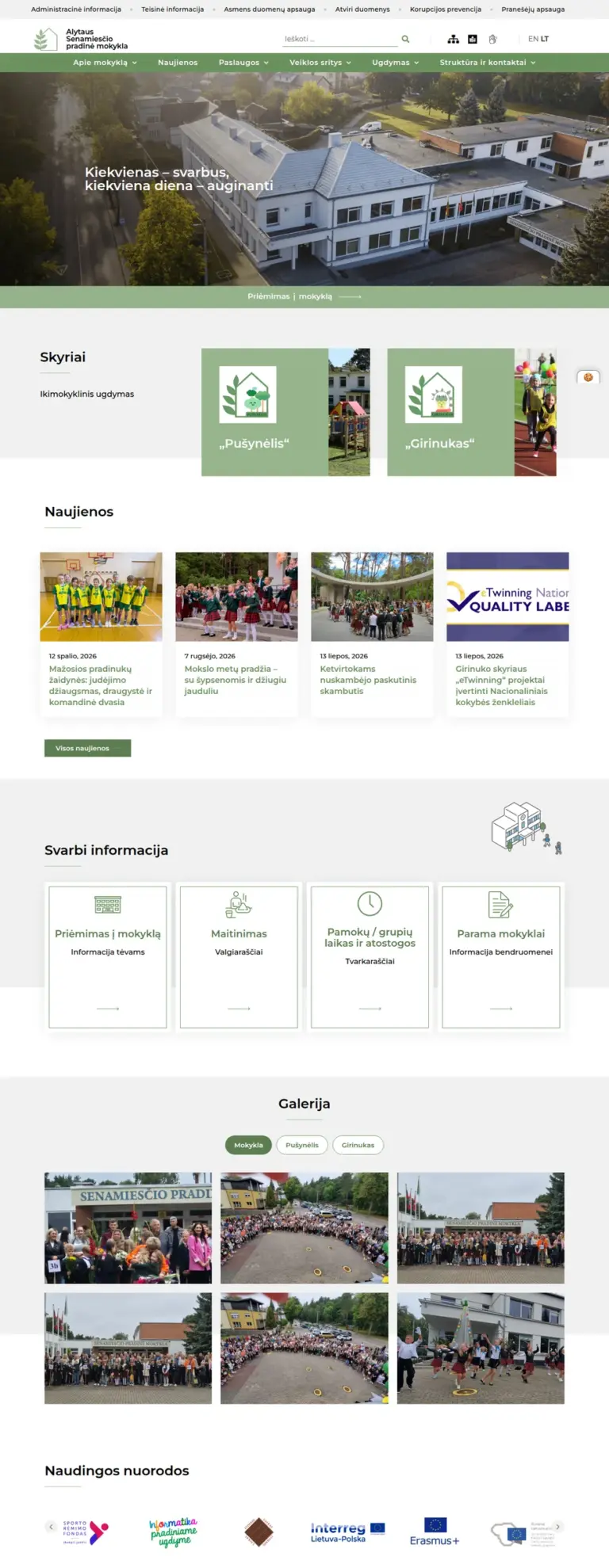
The school website was updated to meet the requirements. They took the school’s wishes into account during development and advised us afterwards. They answer questions quickly.
Contact us about your school’s website.
Frequently asked questions
Can the website meet WCAG 2.1 AA and public-sector accessibility requirements?
Yes, we design and build websites with WCAG 2.1 AA requirements in mind: a clear structure, keyboard operation, contrast, heading logic, understandable forms and other important accessibility aspects. This is especially important for higher education institutions, whose information must be accessible to all users.
How is GDPR compliance ensured if the website has enquiry forms and registrations?
On the website we provide only the data collection scenarios that are actually needed, present privacy information clearly, manage consent where it is required and help set up an orderly data processing logic. If third-party services are used, we assess their role and impact on data protection.
Will you be able to integrate with the study, admissions or library systems we use?
Yes, we assess the systems you have and choose the most suitable integration method: from links and a unified presentation of services to data exchange, where this is technically possible. Before the project, we clearly define what will be shown on the website, what is managed in external systems and how users will move between them.
Is the solution suitable for public procurement, and do you help prepare the technical specification?
Yes, we can help define the project scope, functional requirements, and accessibility, security, content management and support criteria, so that the procurement documents are clear and comparable. This helps reduce the risk that work not discussed or expectations not defined precisely enough come to light after the procurement.